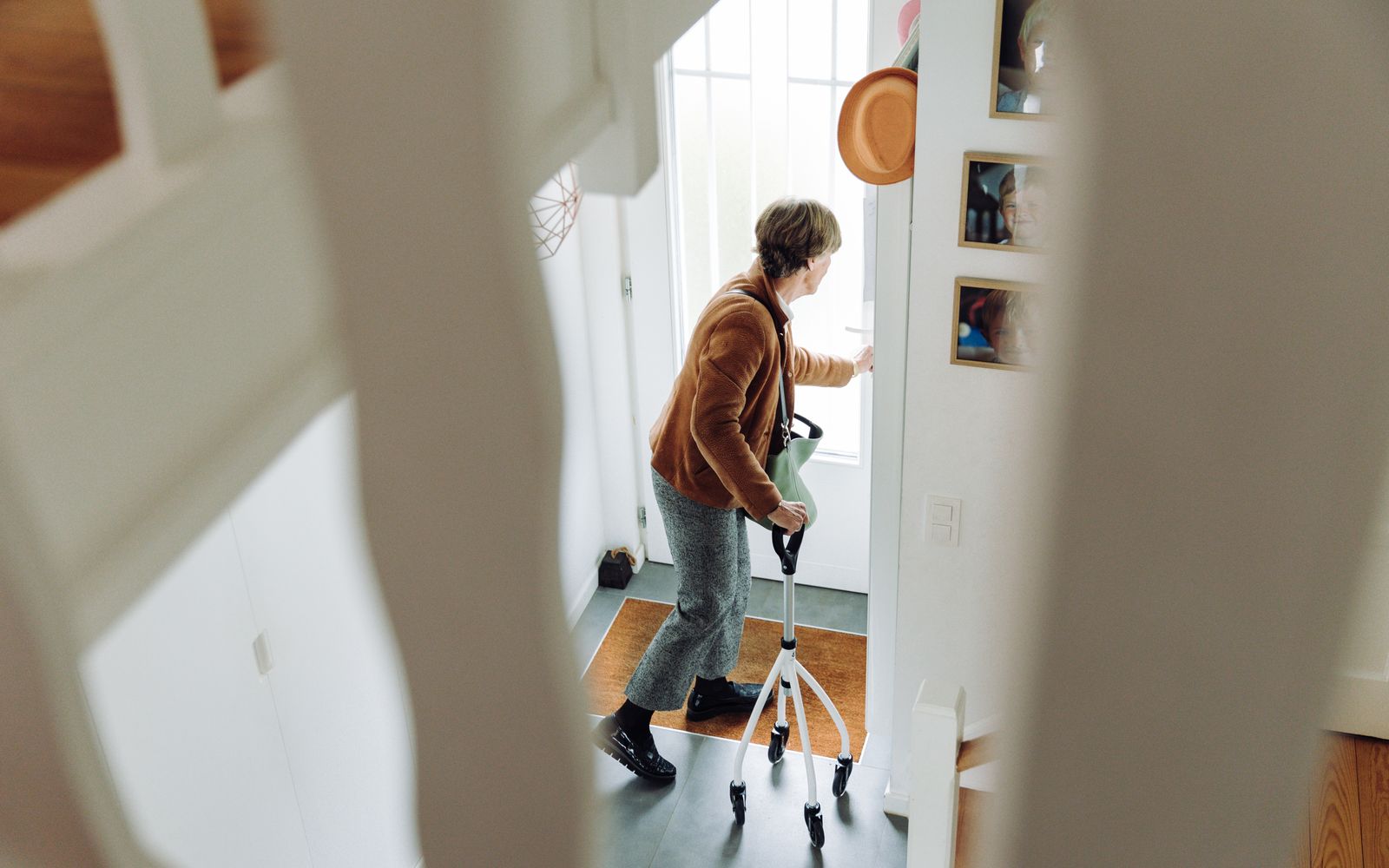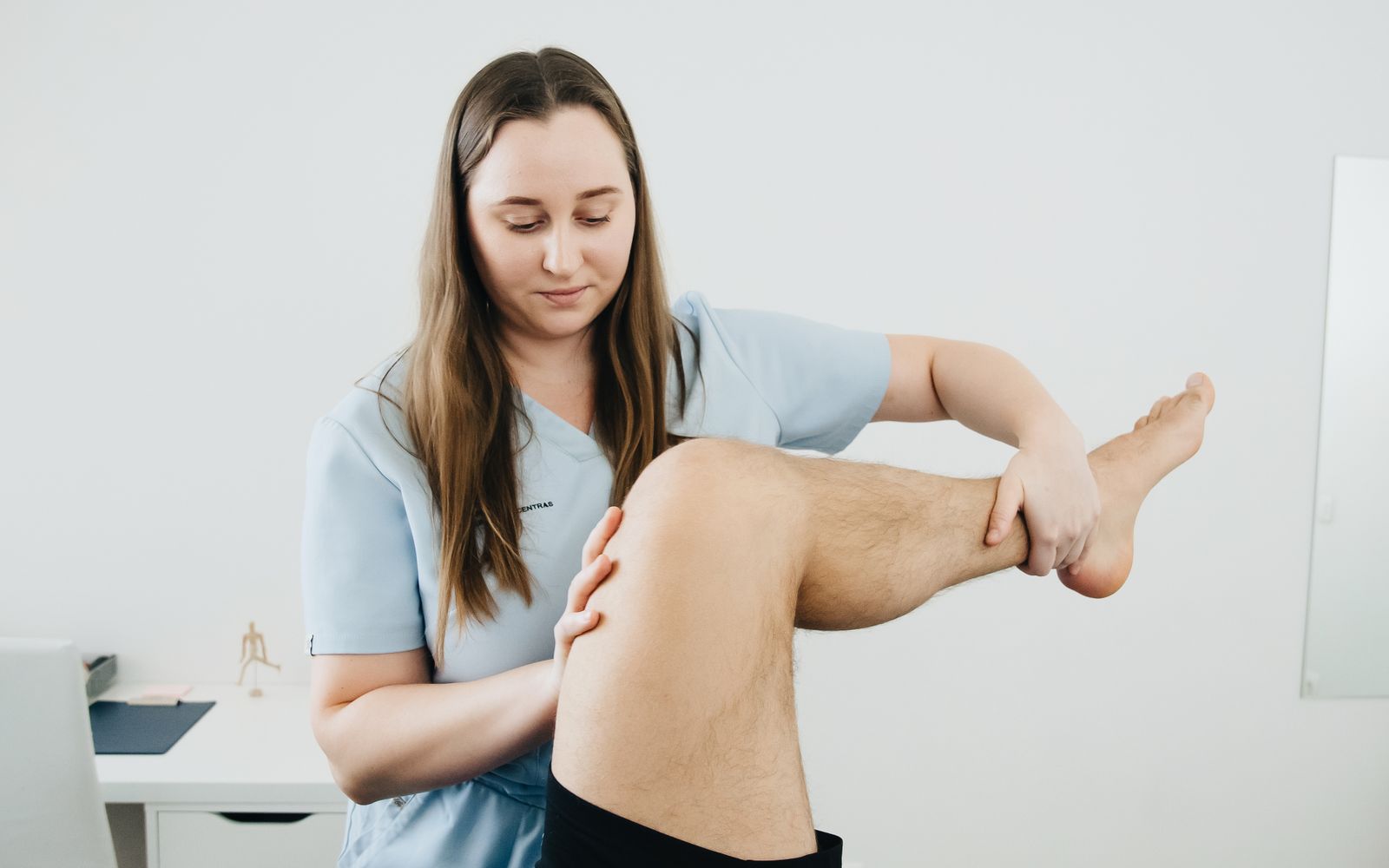
At home
What to expect at your first in-home physical therapy visit
A step-by-step look at the first hour — what your therapist will ask, assess and leave you with — so you can walk in (or rather, open the door) prepared.
Bluefin Health Editorial · September 18, 2026 · 2 min read
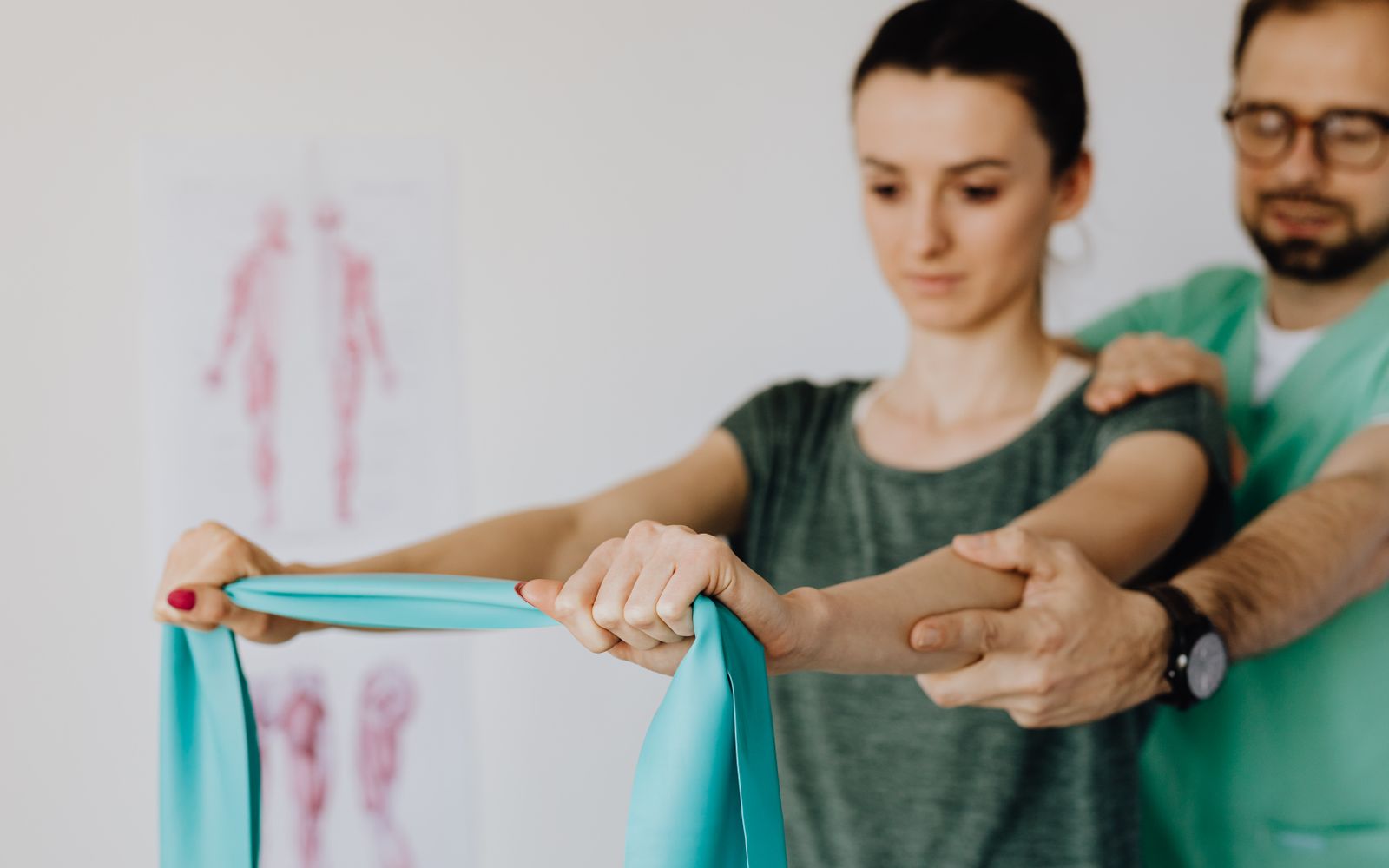 At home
Photo by https://kaboompics.com/ on Pexels
Most people have a picture of physical therapy that involves a bright clinic, a row of treatment tables and a waiting room. Home visits are different in ways that are mostly good — but different enough that it helps to know what's coming.
Here is what a typical first visit looks like, and how to get the most out of it.
Before your therapist arrives
You don't need to clear a room or buy equipment. A few small things make the first visit smoother:
- Gather your paperwork. Any surgical notes, imaging reports, discharge instructions or a referral from your physician. Photos on your phone are fine.
- List your medications. Including over-the-counter ones and supplements.
- Wear clothes you can move in. If your knee or shoulder is the focus, choose something that lets your therapist see and reach it.
- Think about your goals. Not "reduce pain" — something specific. Walk to the mailbox. Carry groceries up the stairs. Get back to tennis by spring.
The first 20 minutes: your story
Your therapist will start with a conversation. Expect questions about what happened, how symptoms behave through the day, what makes them better or worse, and what you've already tried. They'll also ask about your health history and what a normal day looks like for you.
This part matters more than it seems. Physical therapy works when the plan matches your life, and the details you share here shape everything that follows.
The assessment: measuring where you are
Next comes a hands-on evaluation. Depending on your situation, your therapist may measure:
- Range of motion — how far a joint moves, often with a small goniometer.
- Strength of the muscles around the affected area.
- Balance and gait — how you stand, turn and walk.
- Function — getting up from a chair, stepping onto a stair, reaching overhead.
At home, this often includes your chair, your stairs and your bathroom. That's one of the quiet advantages of home care: your therapist sees the real obstacles instead of guessing at them.
The goal of the first visit isn't to fix everything. It's to understand you well enough to build a plan that will.
Your plan of care
Before they leave, your therapist will explain what they found in plain language and outline a plan: how often you'll meet, roughly for how long, and what you're working toward. If your insurance requires physician sign-off on the plan, our care team helps coordinate that paperwork.
You'll usually start a short home exercise program the same day — typically three to five movements, chosen so you can do them correctly on your own.
After the visit
Your visit notes and next appointment appear in the Bluefin app. Between sessions, do your exercises, keep a note of anything that feels off, and bring questions to the next visit. Progress in PT is rarely linear; good weeks and slow weeks are both normal.
This article is general information, not medical advice. Talk with your own clinician about your specific condition.