Safety
A room-by-room checklist for preventing falls at home
Most falls among older adults happen at home — and many of the fixes take an afternoon. A physical therapist's walkthrough, room by room.
Bluefin Health Editorial · August 14, 2026 · 2 min read
 Safety
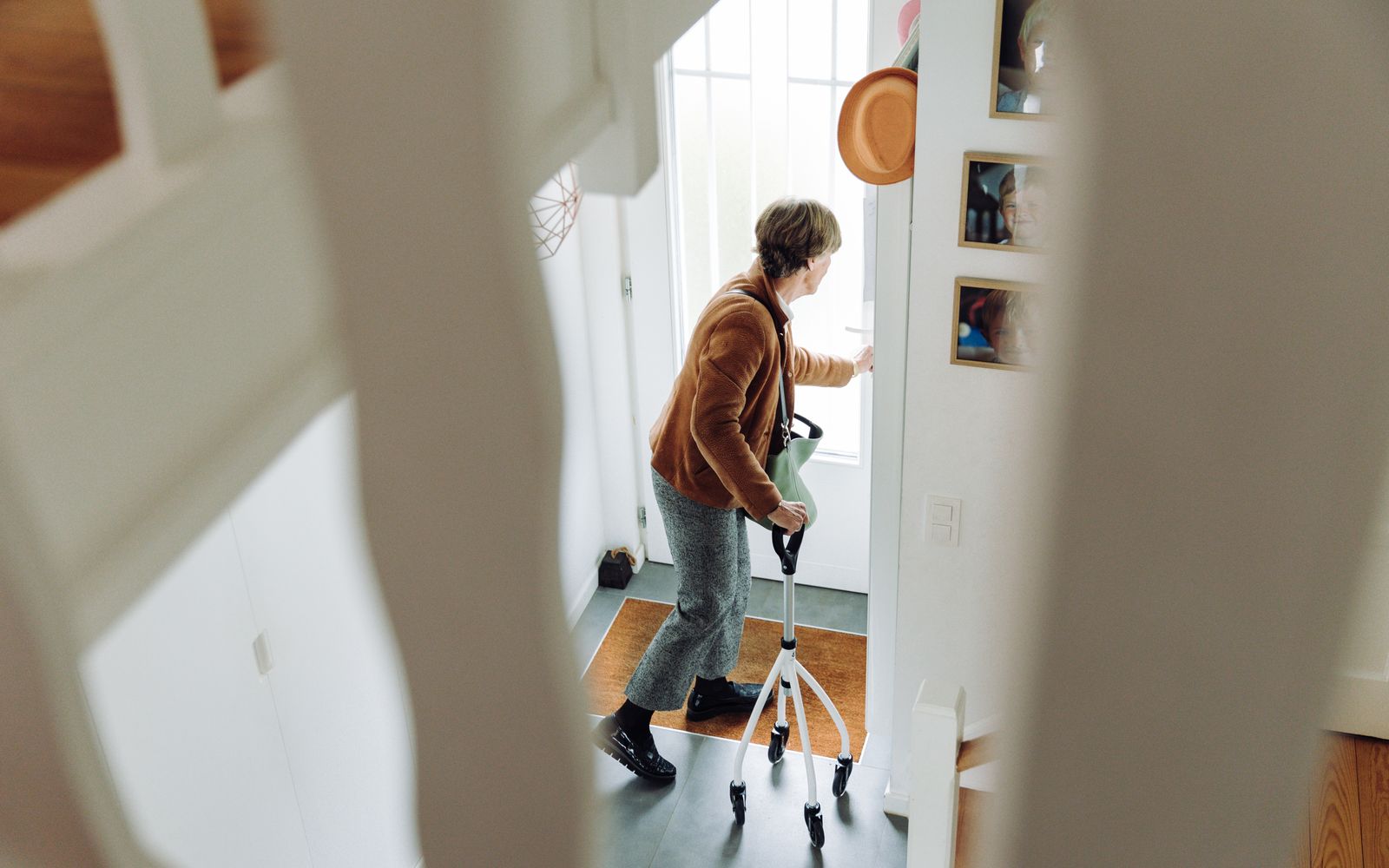
Photo by Wheeleo Walker on Pexels
According to the CDC, about one in four adults aged 65 and older reports a fall each year, and falls are the leading cause of injury in that age group. Most of them happen at home.
The encouraging part: falls are not an inevitable part of aging. A combination of strength and balance work and a few changes to the home can meaningfully reduce risk. Here's the walkthrough a physical therapist might do on a home visit.
Entryways and stairs
- Light both ends. Every staircase should have a light switch at the top and the bottom.
- Rails on both sides, running the full length of the stairs, sturdy enough to bear weight.
- Mark the edges. A strip of contrasting tape on the edge of each step helps tired or aging eyes judge depth.
- Nothing on the steps. Not even "just for a minute."
Living areas
- Clear walking paths. Move cords, magazine baskets and low furniture out of the routes you use most.
- Rethink loose rugs. Remove them, or secure them firmly with non-slip backing.
- Check chair height. A chair with arms that's not too low makes standing up safer and easier.
Bathroom
The bathroom combines hard surfaces, water and frequent transitions — which makes it one of the highest-risk rooms.
- Install grab bars by the toilet and in the shower or tub. Towel bars are not grab bars.
- Non-slip mats inside and outside the tub.
- Consider a shower chair and a handheld showerhead if standing for long is difficult.
- Night lights on the path between bedroom and bathroom.
Bedroom
- A lamp you can reach from bed without stretching.
- Sit before you stand. Pause at the edge of the bed for a moment before getting up, especially at night, to let your blood pressure catch up.
- Phone within reach, so help is never far away.
Beyond the house
Home changes help, but the body matters too:
- Strength and balance training is one of the most effective ways to reduce fall risk. A physical therapist can design a program that's challenging but safe.
- Review medications with your doctor or pharmacist — some cause dizziness or drowsiness.
- Have your eyes checked at least once a year, and update glasses.
- Wear supportive shoes indoors rather than socks or loose slippers.
If you've fallen before, or worry about falling, that's reason enough to talk to a clinician. Fear of falling often leads people to move less — which, ironically, raises the risk.
A Bluefin balance and fall-prevention visit includes a full assessment and a walkthrough of your own home. If that sounds helpful for you or someone you care for, request a visit.
This article is general information, not medical advice. Source: Centers for Disease Control and Prevention, Older Adult Fall Prevention.